Severn Wildlife Consulting

Northern Tablelands, NSW

Feral pest animal management in the Northern Tablelands

Severn Wildlife Consulting helps landholders and Local Land Services teams understand pest animal activity, plan coordinated management and assess what changed.

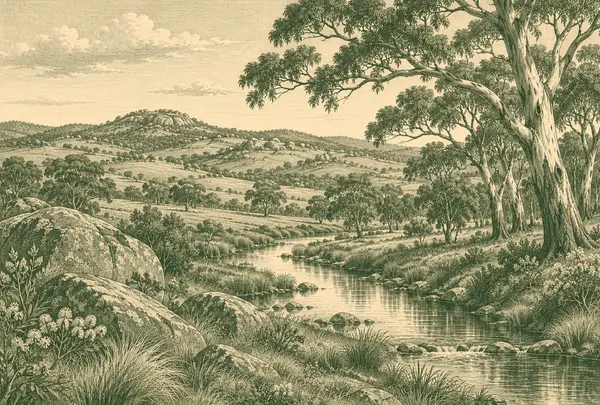
Illustrated river winding between granite outcrops and open woodland
Tablelands river country

Wildlife management services

Surveys and detection

Field surveys, camera trapping and drone surveys help establish which species are active and where. Thermal imaging can help where the terrain and vegetation are suitable.
Targeted management

Severn Wildlife Consulting delivers expert trapping and ground shooting directly. We agree on suitable methods for the species, property and management objective, and hold safety and animal welfare paramount.

Monitoring and reporting

Baseline and follow-up checks help show how activity has changed. We agree what observations, maps and records you need before the work begins.

Species we manage

Severn Wildlife Consulting works directly with landholders and program managers. The species, site and objective determine the scope of each job.

Mammals

  • Feral pigs (Sus scrofa)
  • Chital deer (Axis axis)
  • Fallow deer (Dama dama)
  • Red deer (Cervus elaphus)
  • Rusa deer (Rusa timorensis)
  • Wild dogs (Canis familiaris)
  • Red foxes (Vulpes vulpes)
  • Rabbits (Oryctolagus cuniculus)
  • Feral cats (Felis catus)
  • Feral goats (Capra hircus)
  • Feral horses (Equus caballus)

Pest birds

  • Feral pigeons (Columba livia)
  • Indian mynas / common mynas (Acridotheres tristis)
  • Common starlings (Sturnus vulgaris)
  • House sparrows (Passer domesticus)

Our approach

Animals move across boundaries. Neighbours can agree on a shared objective, coordinate the timing of work and compare observations across properties.

  1. Assess the issue

    Identify the species, signs of activity and impacts on stock, pasture or native wildlife.

  2. Agree the plan

    Set the objective, site access, timing and reporting needs for one property or a coordinated program.

  3. Deliver the work

    Work around people and stock, account for animal welfare and non-target wildlife, and record what was done.

  4. Review the results

    Compare follow-up observations with the baseline. Explain what changed, what remains uncertain and what to check next.

Who we work with

Landholders and property managers

Tell us what you’re seeing and where it’s affecting the property. We can help define the problem and plan practical work around your stock, access and neighbours.

Local Land Services and program managers

Discuss contracted surveys, management or monitoring for a single site or a multi-property program. We can agree on the records you need for project reporting.

Evidence and experience

James Davis has more than 20 years’ experience as a wildlife biologist specialising in human-wildlife conflict and invasive pest management. His work has included managing wild dogs and foxes on rural properties and mine sites, capturing and translocating feral horses, and tracking and controlling feral deer and feral pigs.

  • Education. Graduate Certificate in Animal Science, University of Queensland, with a focus on wildlife science and animal behaviour. Bachelor of Environmental Science; Master of Business, University of Notre Dame Australia.
  • Occupational firearms licence. Category A and B firearms licence with occupational animal-control conditions.
  • Animal welfare and euthanasia. Wildlife Health training at Murdoch University covered wildlife capture, restraint and euthanasia. James also holds the assessed competency Use firearms to humanely destroy animals (AHCPMG304).
  • Pest management and chemical handling. Assessed competencies in vertebrate pest baiting (AHCPMG312) and fumigation (CPPPMT3011), including burrows and fox dens. AQF Level 3 units in chemical application (AHCCHM307) and transport and storage (AHCCHM304).
  • Aviation and field safety. CASA Remote Pilot Licence for multirotor aircraft up to 25 kg and the DJI Agras T100, Aeronautical Radio Operator Certificate, night operations training, first aid and CPR.
  • Field and reporting skills. Foothold and cage trapping, camera trapping, field-sign surveys, conservation detection dog handling, thermal drone surveys and mapping observations in QGIS and QField.

Service area

Northern Tablelands
Armidale, Glen Innes, Guyra, Inverell, Tenterfield, Uralla and Walcha.
North Coast
Tweed Heads, Murwillumbah, Byron Bay, Ballina, Lismore, Casino, Grafton, Coffs Harbour, Kempsey and Port Macquarie.
North West
Tamworth, Gunnedah, Narrabri, Moree, Walgett, Quirindi and Warialda.

Include your locality when you get in touch so we can discuss access and the scope of work.
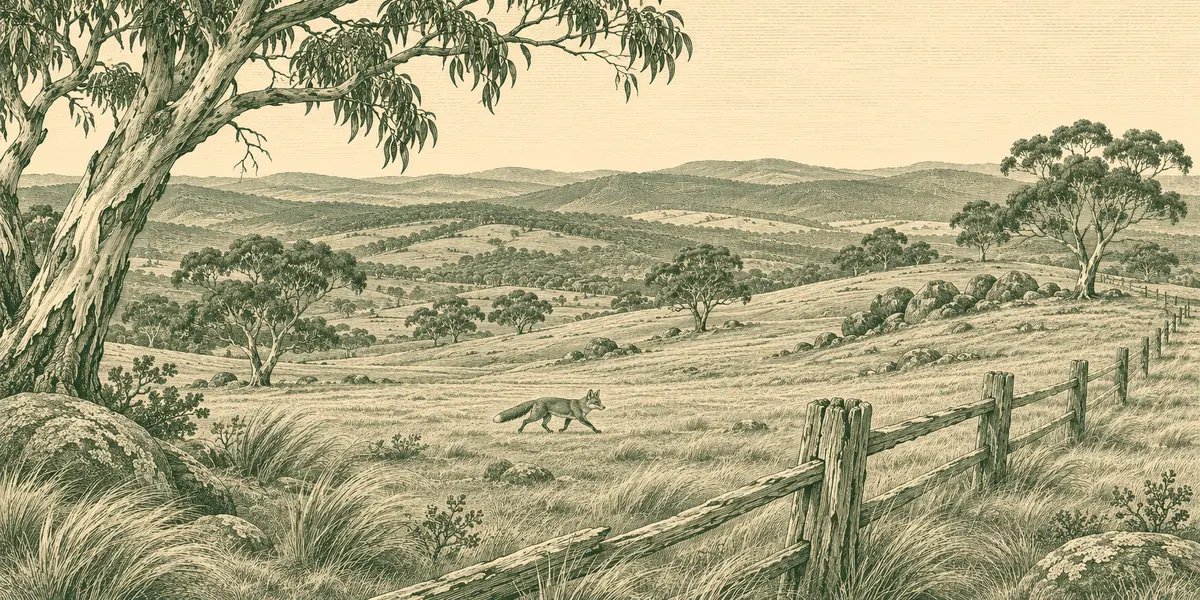
A fox crossing open Tablelands grazing country beneath scattered gums
Red fox (Vulpes vulpes) in Tablelands grazing country

Discuss your property or program

Let us know where you are and what you’re seeing. You can also reach Severn Wildlife Consulting by phone.

0478 790 480
Your enquiry is processed through Cloudflare and emailed to Severn Wildlife Consulting through Resend so we can respond.